Most San Diego insurance carriers give you 30 to 60 days to remediate aluminum wiring before they cancel or non-renew your policy. COPALUM pigtailing costs $2,500–$5,000 for a typical 3-bedroom home; a full rewire runs $8,000–$18,000. Here’s what each carrier actually requires and how to document the work so your coverage sticks.

TL;DR

  • Homes built between 1965 and 1973 in San Diego often have aluminum branch wiring, which loosens over time and creates a fire risk at outlets and switches.
  • Insurers typically accept COPALUM crimp pigtailing ($2,500 to $5,000 for a 3-bed home) or a full rewire ($8,000 to $18,000). AlumiConn connectors are accepted by some carriers but not all.
  • State Farm and Mercury generally require COPALUM or a full rewire. Allstate has been more flexible with AlumiConn in some cases.
  • You need a licensed electrician’s report with a CSLB number and a signed inspection card from the building department to satisfy most carriers.
  • Act within the carrier’s deadline (usually 30 to 60 days) to avoid a non-renewal notice.
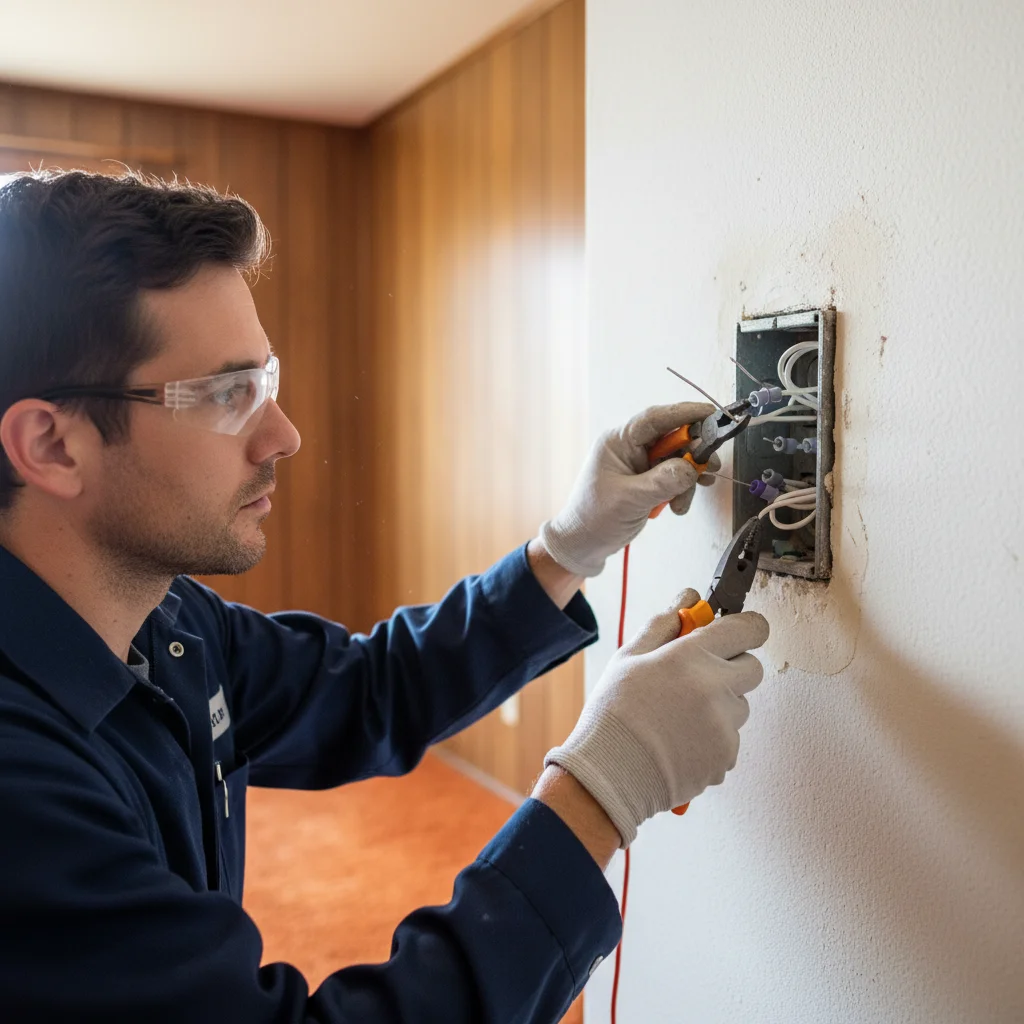
Electrician inspecting an outlet box with aluminum branch wiring inside a 1970s San Diego ranch home

Why insurers flag aluminum branch wiring

Homes built between roughly 1965 and 1973 are the ones carriers are watching. During that period, copper prices spiked and builders switched to aluminum for branch circuit wiring, the smaller-gauge wire running from the panel to outlets, switches, and fixtures. The problem isn’t aluminum at the service entrance (large feeder cables are still aluminum today, and that’s fine). It’s the solid aluminum conductors used in 15-amp and 20-amp branch circuits.

Aluminum expands and contracts more than copper with heat cycling. Over decades, that movement loosens connections at outlets and switches. Loose connections arc. Arcing starts fires. The U.S. Consumer Product Safety Commission documented this back in the 1970s, and insurers have been pricing it into underwriting ever since. The NFPA tracks electrical fires by cause, and aluminum wiring connections are a recurring factor in older-home fires.

In 2026, carriers aren’t just flagging it at renewal. They’re running inspections during the underwriting process when homes change hands. If you’re buying a 1968 ranch in Clairemont or a 1971 split-level in El Cajon, expect this conversation before close.

The risk isn’t hypothetical. Our post on home electrical fire data in San Diego breaks down where ignition points cluster in older housing stock, and aluminum wiring connections show up consistently.

How to confirm you have aluminum wiring (not just service entrance)

Not every older home has aluminum branch wiring, and not every home with aluminum wiring has it throughout. Here’s how to confirm what you’re dealing with before you call anyone.

Check the panel first. Open the dead front (the cover panel) or have an electrician do it. Look at the insulation color on the branch circuit wires. Aluminum branch wiring is typically grey-sheathed or has conductors marked “AL” on the jacket. Copper wiring is usually white or yellow (Romex). This is a quick visual.

Check outlets and switches. Pull the cover plate off a few outlets in different rooms. If you see silver-colored conductors, not the shiny copper color, that’s aluminum. You may also see outlets rated “CO/ALR” or “CU/AL,” which were installed specifically for aluminum wiring.

Look at permits and original blueprints. San Diego County building records sometimes include the original electrical permit, which lists conductor material. This is hit or miss, but worth checking for homes that had their permits pulled properly.

Get a written assessment. If you need to send documentation to your insurer, you’ll need a licensed electrician’s written report anyway. A qualified inspection will note which circuits are aluminum, how many devices are affected, and what the connection condition looks like. That report is your starting point for the insurance conversation.

For more context on what aluminum wiring looks like alongside knob-and-tube concerns in San Diego’s older housing stock, see our broader post on older wiring types in San Diego.

Pigtailing with COPALUM vs. AlumiConn vs. full rewire

This is where most homeowners get confused, because the remediation options aren’t equal, and insurers don’t always accept all three.

COPALUM crimp connectors

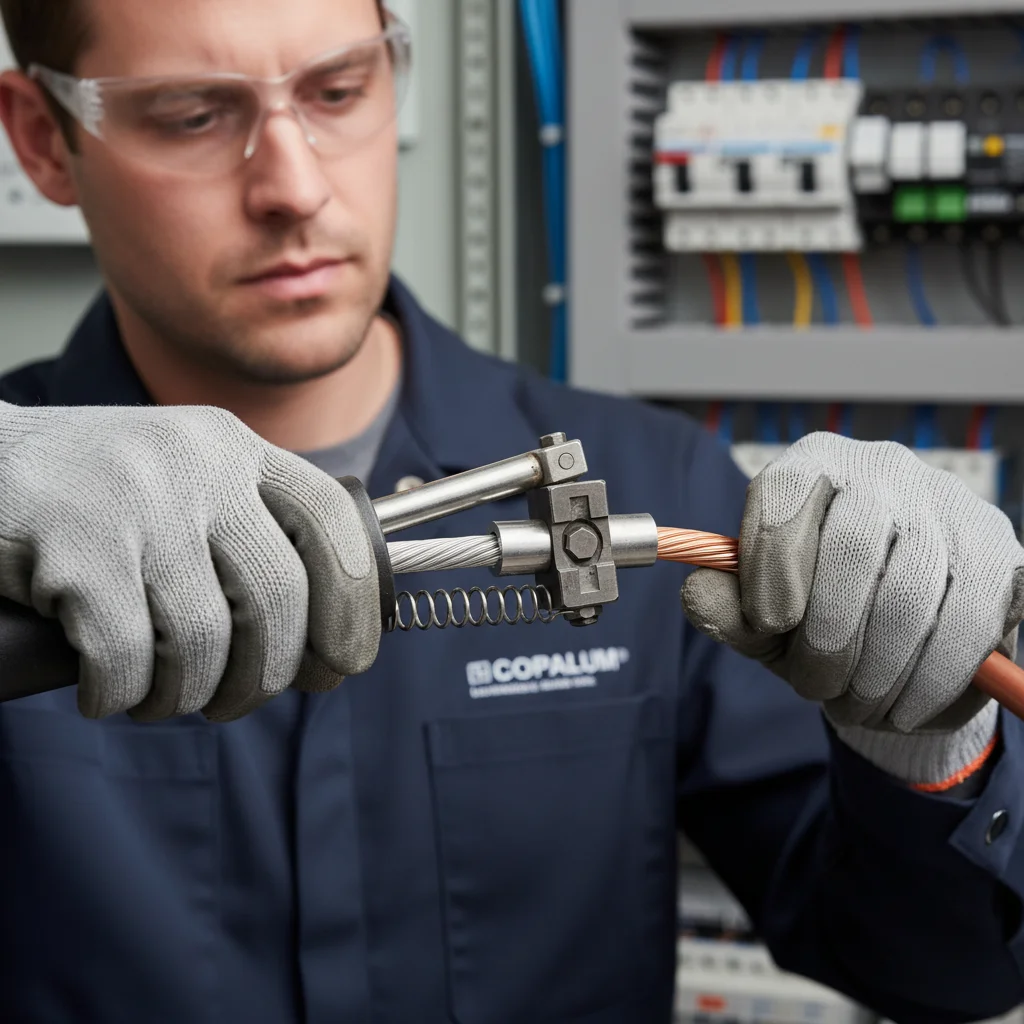
COPALUM is the gold standard, and most insurers know it by name. It’s a method developed by AMP (now TE Connectivity) that uses a special barrel connector and a proprietary hydraulic crimping tool to join the aluminum conductor to a short copper “pigtail.” That copper pigtail then connects to the outlet or switch normally.

The crimp is cold-welded under pressure, which creates a gas-tight connection that doesn’t loosen over time. The CPSC endorses COPALUM as an approved repair method. The catch: only licensed electricians trained on the specific COPALUM tool can do this work. You can’t buy the crimping tool at a hardware store. Installation typically runs $50–$80 per connection point.

AlumiConn connectors

AlumiConn is a lever-nut style connector that’s also CPSC-listed as an acceptable repair. It’s more accessible (electricians don’t need special tooling) and it’s faster to install. That makes it somewhat less expensive. However, some insurers specifically require COPALUM and won’t accept AlumiConn as a substitute. Always confirm with your carrier before choosing this route. For a detailed side-by-side of both methods and what each costs per device, see our aluminum wiring repair guide for San Diego.

Full rewire

A whole-home rewiring replaces all aluminum branch circuits with modern copper wiring. It’s the most comprehensive solution and the one that eliminates the issue entirely rather than managing connections point by point. It’s also the most disruptive and expensive option, but for homes with widespread aluminum wiring, aging outlets, and an insurance deadline, it often makes the most financial sense when you factor in the per-connection cost of COPALUM across 60 or 80 devices.

Close-up of a COPALUM crimp connection joining aluminum and copper conductors with a crimping tool

What State Farm, Allstate, and Mercury are asking for in 2026

Carrier requirements vary, and they shift. What follows is based on current standard underwriting practice. Always get the specific requirement from your agent in writing.

State Farm generally requires either COPALUM remediation at all connection points or a full rewire. They’ve been consistent about not accepting AlumiConn as a standalone solution on most California policies. They typically want a licensed electrician’s certification letter confirming the work and the method used.

Allstate has been more flexible in accepting AlumiConn on a case-by-case basis, particularly for homes that are otherwise in good condition. Their underwriting teams in California often ask for a completed electrical inspection report plus photos of the connection points before and after remediation. Some Allstate agents in San Diego have also accepted a partial rewire, replacing only the aluminum branch circuits, as satisfying the requirement.

Mercury Insurance, which has a significant presence in San Diego County, has been issuing non-renewal notices for homes with unaddressed aluminum wiring more aggressively since 2024. Mercury typically requires a licensed electrician’s report confirming either COPALUM or full rewire, and they want it within 45 days of the notice. They’ve been less accepting of AlumiConn than some other carriers.

One consistent thread: every carrier wants documentation from a licensed electrician with a California Contractors State License Board number. You can verify a contractor’s license at the CSLB license lookup tool before hiring anyone.

If you’re also dealing with an older Federal Pacific or Zinsco panel alongside your aluminum wiring, our post on panel replacement for those specific brands covers how insurers handle that combination.

Cost ranges in San Diego County

Prices here reflect what San Diego electricians are actually quoting in 2026. Your home’s specific layout, accessibility, and circuit count will move the number.

COPALUM pigtailing: $50–$80 per connection point, plus a trip charge and report fee. A typical 3-bedroom home with 40 to 60 connection points runs $2,500–$5,000 total, including the electrician’s certification letter.

AlumiConn pigtailing: $35–$55 per connection point. Same 3-bedroom home: $1,800–$3,500. Faster to install, lower labor cost per point.

Partial rewire (aluminum circuits only): $4,000–$8,000 for a typical 1,500 sq ft San Diego home, depending on how many circuits are affected and whether the home has attic access. Homes with stucco exteriors and no attic access cost more because fishing wire through walls is labor-intensive.

Full home rewire: $8,000–$18,000 for most San Diego County single-family homes. The range is wide because lot and home configuration matters enormously. A 1970s ranch with attic access rewires for significantly less than a two-story with block walls.

One thing worth knowing: if your panel is also undersized or aging, combining a rewire with a panel upgrade in a single project usually saves money compared to doing them separately. Two mobilizations, one permit process.

Permit, inspection, and insurance documentation

Aluminum wiring remediation in San Diego County requires a permit from your local building department. For unincorporated areas, that’s San Diego County. For city addresses, it’s the City of San Diego’s Development Services Department. Work without a permit creates problems: your insurer may not accept an unpermitted repair letter, and the work won’t show up in property records when you eventually sell.

The permit process for pigtailing or rewiring typically involves:

  • An electrical permit application describing the scope of work
  • Rough inspection (if walls are opened for a rewire)
  • Final inspection by a building inspector

After the final inspection passes, you’ll receive a signed inspection card. That card, combined with your electrician’s completion letter on company letterhead with their CSLB license number, is what you send to your insurance carrier. Some carriers also want photos of the work, before and after, so discuss that with your electrician before they close up the walls or cover the outlet boxes.

Keep copies of everything. Insurance carriers lose documents, underwriters turn over, and you’ll want this file when you sell the home.

Frequently asked questions

How do I know if my San Diego home has aluminum branch wiring?

The clearest way is to pull the cover plate off a few outlets in rooms built in the 1960s or early 1970s. Aluminum conductors are silver-colored, not the shiny copper color of copper wiring. You can also check the panel cover for wires marked “AL” on the jacket. If you’re not comfortable pulling outlets, a licensed electrician can confirm it during an inspection.

Will my insurance cancel me immediately if they find aluminum wiring?

Usually not immediately. Most carriers issue a notice giving you 30 to 60 days to remediate and provide documentation. However, if you don’t respond within the deadline, they can issue a non-renewal or cancellation notice. Don’t wait to contact the carrier and schedule your electrician once you receive a letter.

Is AlumiConn remediation good enough for insurance in San Diego?

It depends on your carrier. Allstate has been more flexible with AlumiConn on California policies. State Farm and Mercury typically require COPALUM or a full rewire. Always get the specific requirement in writing from your insurance agent before choosing a remediation method, so you don’t pay for work the carrier won’t accept.

How long does aluminum wiring remediation take in a San Diego home?

COPALUM pigtailing in a typical 3-bedroom home takes one to two days depending on the number of connection points and accessibility. A full rewire for the same home takes three to five days. The permit process adds time before and after the work itself. Build a week or two of buffer into your insurance deadline.

When to call us

Aluminum wiring remediation isn’t a DIY project, and it’s not a job for a handyman with a wire stripper. COPALUM work requires specific tooling and training. Full rewires require permits, inspections, and a licensed electrician in every jurisdiction in San Diego County. If you’ve received an insurance letter with a deadline, the clock is already running and you need a written estimate and a firm schedule before you respond to your carrier. Call us at (858) 988-5580 for a same-day estimate.