When the power goes out in San Diego, whether from a storm or an SDG&E Public Safety Power Shutoff (PSPS), a generator only helps if the connection method is listed for your panel, the inlet is sited correctly, the neutral is treated the way the equipment listing requires, and you can keep the load inside the generator’s nameplate. The choice is not “cheap interlock versus nice switch.” It is listed compatibility, inlet location, neutral treatment, load management, and a permit for that address.
TL;DR
- An interlock kit ($900 to $1,500 installed) is a listed mechanical lockout on some panel covers. Confirm the kit is listed for that panel make and model. You still manage load by hand.
- A manual transfer switch ($1,500 to $3,000 installed) is a separate listed assembly with selected circuits. Confirm how many poles, whether the neutral is switched, and where the inlet lands.
- An automatic transfer switch is the listed transfer method for a standby generator. Transfer time is whatever that ATS is listed for, not a 10-to-20-second rule.
- Confirm the permit path with the city or County that covers the address. Do not skip inspection.
- Backfeeding (sending generator power onto utility lines) is illegal and dangerous. A listed interlock or transfer switch, installed to instructions, is the protection method. An unlisted workaround is not.
What an interlock kit actually is (and isn’t)
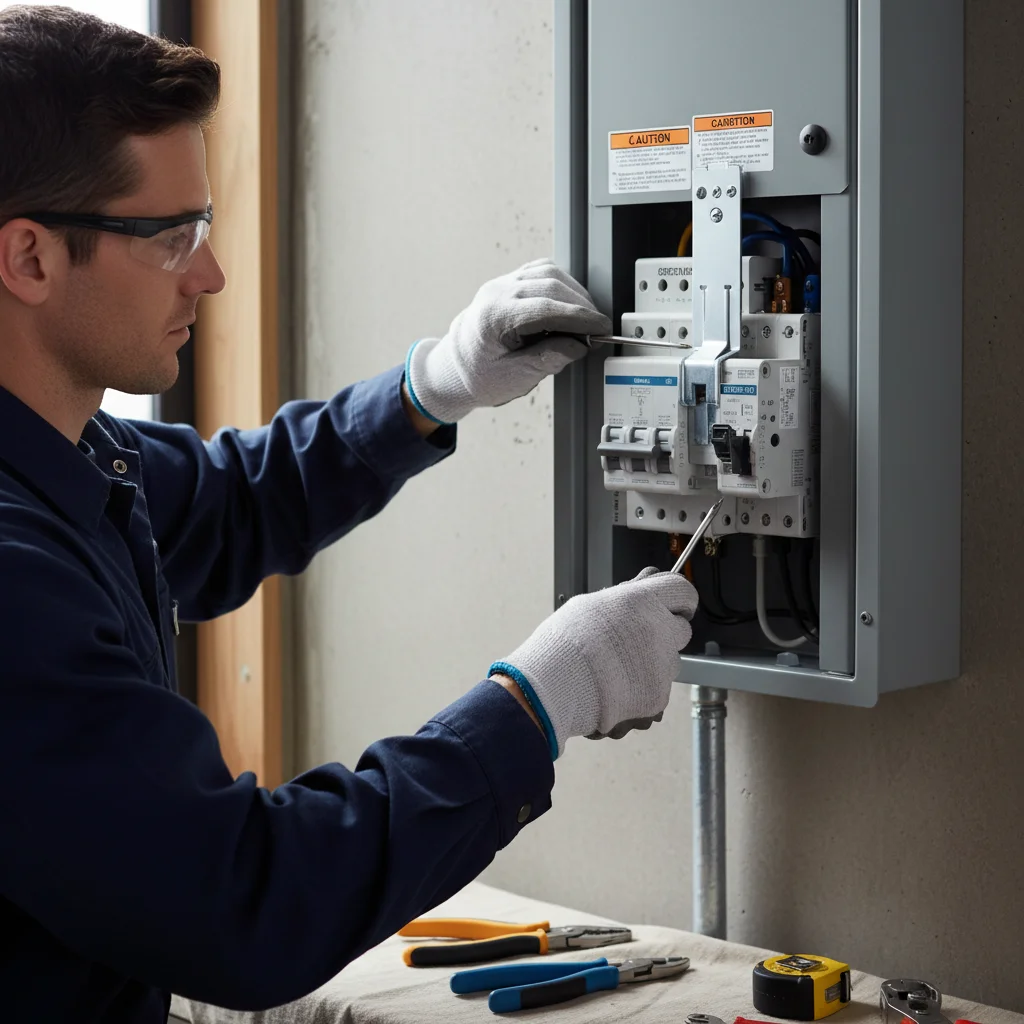
A generator interlock kit is a listed mechanical slide on some panel covers. Its job is to keep the utility main and the generator backfeed breaker from being on at the same time. Buy only a kit listed for that panel’s make, model, and cover. An unlisted plate is not a substitute.
That lockout is what prevents backfeed onto utility lines when the kit is installed to the listing. NEC Article 702 covers optional standby systems. California uses the adopted California Electrical Code for the permit, not a web summary of the NEC.
An interlock still uses the existing panel. The kit is a mechanical lockout so the utility main and the generator backfeed breaker cannot both be on when it is installed to the listing. Load management on an interlock job is still a field walkthrough against the generator nameplate and the kit instructions. This page does not tell you to operate the main or pick breakers. Inlet location matters: the outdoor inlet, cord rating, and breaker size have to match the generator and the listing. Neutral treatment on an interlock job is usually “the panel’s existing neutral stays as-is.” That is not the same as a transfer switch that switches the neutral. Confirm both with the electrician against the equipment listing. It is a portable-generator path, not a standby ATS.
Manual transfer switch: how it works and what it costs
A manual transfer switch for a generator is a listed assembly used to connect selected circuits during an outage. It is not “the main panel versus a subpanel” as a rule. Some listed switches look like a small adjacent panel. Some are service-equipment configurations. The listing, pole count, and inlet location decide the layout, not a web diagram.
A licensed electrician moves only the circuits that switch is listed to take. Circuit count is whatever that switch is listed for, not a universal 6 to 10.
During an outage you start the portable generator, plug into the inlet, and operate the transfer handle per the listing. Those circuits disconnect from the utility and connect to the generator feed. Load management is easier because only the moved circuits can run, but you can still overload the generator if those circuits exceed the nameplate. You cannot power a circuit that was not moved. Inlet location, cord rating, and whether the switch is 3-pole (switched neutral) or 2-pole are decision inputs, not extras.
Automatic transfer switch for whole-home standby
An automatic transfer switch is the listed transfer method for a permanently installed standby generator. It is not the only legal way to connect a generator. Portable units use a listed interlock or a listed manual transfer switch. An ATS is not a portable-inlet option.
The ATS monitors utility power and follows the sequence in its installation instructions: isolate, start, transfer, return, cool-down. Transfer time is model-specific. Do not use a 10-to-20-second figure as a selection rule.
When utility power returns, the ATS transfers back per that sequence. This equipment is for listed standby generators, not a portable inlet. For system sizing, see whole-house generator installation.
Code, permits, and SDG&E inspection requirements
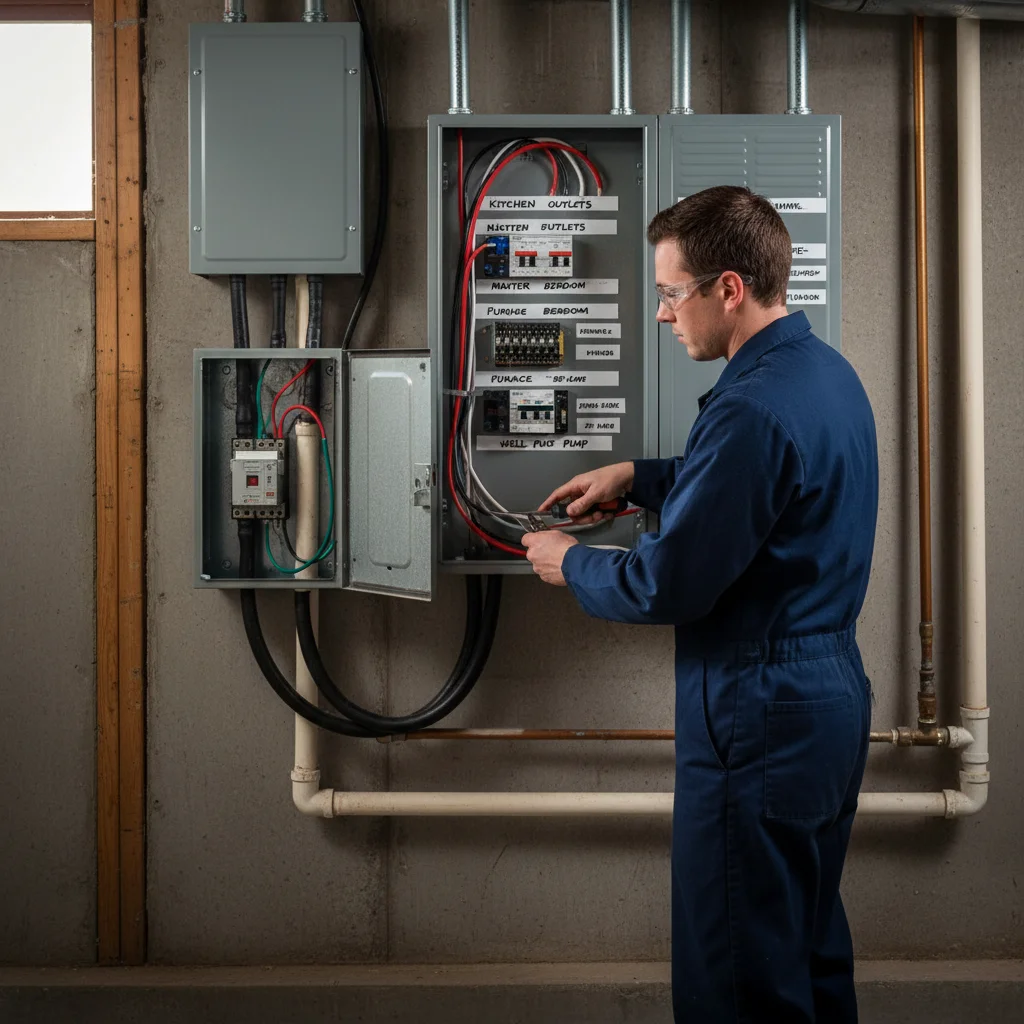
In San Diego County, connecting a generator to house wiring is permitted work. Confirm with the city or County that covers the address. Bright Pro Electric does not pull that permit.
The installation has to match the adopted electrical code, the equipment listing, inlet location, conductor size, breaker rating, grounding, and the listing’s neutral treatment. After the work, the inspector closes the permit.
Larger standby systems may need SDG&E notification. Skipping the permit is a code and safety problem. This page does not predict insurance claims or sale issues.
PSPS scenarios: which fits portable vs. standby
San Diego residents are becoming increasingly familiar with SDG&E’s Public Safety Power Shutoffs. The right generator connection depends heavily on what kind of generator you have and what you want to achieve during a PSPS event. Our complete generator guide for PSPS shutoffs covers this in more detail, but here’s a quick breakdown.
For Portable Generators
If you have a portable generator, your listed connection is either an interlock kit compatible with that panel or a manual transfer switch.
- Generator Interlock Kit: Flexible circuit selection, manual load management, listed kit only. Confirm inlet location and cord rating.
- Manual Transfer Switch: Selected circuits only. Confirm pole count, switched-neutral listing, and inlet location.
For Standby Generators
A permanent standby generator uses the ATS the manufacturer lists with it. That is a system, not a portable-inlet option.
Cost comparison for a typical San Diego install
The cost to connect a generator to your home in San Diego varies based on the method, panel compatibility, inlet run, and labor. Parked published ranges for a professional, permitted installation:
-
Generator Interlock Kit Installation: A typical installation, including the kit itself, a new 30-amp or 50-amp double-pole breaker, a heavy-duty power inlet box on an exterior wall, and all labor and permitting, generally falls between $900 and $1,500. Variables include panel brand and distance from the panel to the inlet.
-
Manual Transfer Switch Installation: Expect the total cost to be between $1,500 and $3,000. The final price depends on how many circuits you connect and whether the listing requires a switched neutral.
-
Automatic Transfer Switch Installation: The ATS unit itself can cost over $1,000. When bundled with a full standby generator installation service, the ATS portion of the project contributes significantly to a total project cost that often starts around $10,000 and can go up depending on the size of the generator.
Frequently asked questions
Is an interlock kit legal in San Diego County?
Yes. An interlock kit is a recognized method under the adopted electrical code when it is a listed device for that panel and installed with a permit and inspection. Skipping the permit is not legal.
Can I install an interlock kit myself in California?
Connecting a generator to a panel is electrical work. Most electrical installation, alteration, or extension requires a licensed contractor, and work that needs a building permit requires a license at any dollar amount. Owner-builder paperwork, where a jurisdiction even offers it, does not turn live wiring into a DIY exception. Confirm with the building department that covers the address.
Which is better for a PSPS outage: interlock kit or manual transfer switch?
Decide from listed panel compatibility, inlet location, whether you need a switched neutral, and how you will keep load under the generator nameplate. An interlock lets you pick circuits by hand. A manual transfer switch limits you to the moved circuits. Neither removes overload risk if you exceed the generator rating.
What does an automatic transfer switch installation cost in San Diego?
The automatic transfer switch itself typically costs over $1,000 for the unit. When bundled with a complete standby generator installation, the total project often starts around $10,000 and goes up based on generator size and site conditions. The ATS is not a standalone purchase for portable generators; it’s part of a permanent standby generator system.
How to get matched
Choosing a listed generator connection is a safety decision at the service equipment. Bright Pro Electric matches San Diego County homeowners with licensed electricians. It does not install the kit, pull the permit, or tell you to operate the main. Hours are Monday through Saturday, 7am to 7pm. After hours, leave a message. Use the contact page.